-
There’s no one-size-fits-all PPE setup — and that’s okay
- Scenario 1: Head protection — full brim vs. cap style vs. bump cap
- Scenario 2: Eye protection — clear vs. tinted vs. anti-fog
- Scenario 3: Footwear — rubber work boots vs. leather vs. composite
- Scenario 4: Hi-Vis clothing — hoodie vs. vest vs. jacket
-
How to decide which scenario applies to you
There’s no one-size-fits-all PPE setup — and that’s okay
If you’re searching for Pyramex safety helmets, Pyramex clear safety glasses, rubber work boots, or a hi vis hoodie, you’ve probably already noticed that every job site has different hazards. And ordering the wrong combination can cost you time, money, or worse — safety exposure.
I’m a safety coordinator who’s handled over 300 rush orders for PPE in the last 4 years, including a same-day turnaround for a refinery shutdown. I’ve learned that the best choice depends on three things: environment (indoor vs outdoor, chemical vs impact), duration (all day vs short task), and compliance needs (OSHA, ANSI, Type 2, etc.).
Let me walk you through the most common scenarios so you can decide where to spend your budget — and where a cheaper option can actually work.
Scenario 1: Head protection — full brim vs. cap style vs. bump cap
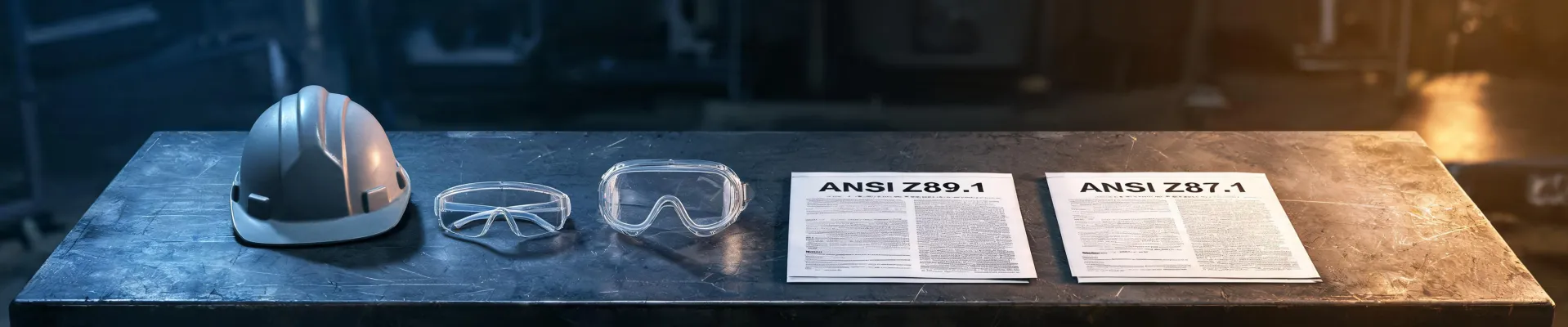
The Pyramex safety helmet lineup includes both Type 1 (top impact) and Type 2 (top + lateral impact) models, plus bump caps for low-risk areas. Here’s how to choose:
When you need a full-brim Type 2 helmet
If your crew works in confined spaces, near overhead cranes, or around low-hanging pipes, go with a Type 2 helmet like the Pyramex Ridgeline or V-Gard (note: V-Gard is not Pyramex, but they offer competitive models). The Pyramex HP 100 is a solid Type 2 full-brim option. I’ve mentioned it to clients who were about to buy a cheap no-name helmet — the upside was saving $8 each, but the risk was zero lateral protection. I kept asking myself: is $8 worth potentially a broken skull in a side impact? No.
When a standard cap style is enough
For general construction where the main hazard is falling objects from above, a Type 1 cap style (like the Pyramex Vented Cap) is lighter and cooler. Pair it with a cooling liner if you’re working in the sun for more than 4 hours. (Should mention: I’ve seen people skip the liner and then complain about heat exhaustion — the $15 liner saves much more in productivity.)
When you actually need a bump cap
Bump caps — like the Pyramex Bump Cap — are not for impact protection. They’re for minor bumps against overhead obstacles. If your team is in automotive repair, warehousing, or electrical work where there’s no risk of falling objects, a bump cap is fine. Around $12–15, give or take.
Scenario 2: Eye protection — clear vs. tinted vs. anti-fog
Pyramex clear safety glasses are a staple, but not all clear glasses are created equal.
Indoor / low-light environments → clear lens, anti-fog
If you’re moving between air-conditioned trailers and humid outdoor areas, fogging will kill your crew’s compliance. Pyramex’s I2 series with anti-fog coating works well. I still kick myself for once ordering standard polycarbonate for a welding facility — they fogged up in 20 minutes and half the workers ditched them. The alternative was $6 more per pair but boosted compliance from 60% to 95%.
Outdoor / high-glare → polarized or mirrored
For landscape crews or road construction, the Pyramex Z87+ mirrored lenses reduce eye strain. A quick tip: if you see them squinting after lunch, they need tinted lenses. And if they work near reflective surfaces like water or snow, go polarized.
What about non-safety clear glasses?
I’m not gonna pretend every job requires ANSI Z87.1. Some office tasks or light assembly might only need low-impact protection. But OSHA requires impact resistance for anything related to flying particles. So check your hazard assessment first.
Scenario 3: Footwear — rubber work boots vs. leather vs. composite
When someone searches “rubber work boots” or “where to buy work boots,” they usually need waterproofing and slip resistance. Pyramex doesn’t manufacture rubber work boots (they focus on PPE), but I get asked this all the time. So here’s my advice:
Wet / chemical-heavy environments → rubber boots
If you’re in a dairy farm, seafood processing, or chemical spill cleanup, you need a PVC or rubber boot with steel toe. Brands like Tingley or Dunlop are reliable. Look for ASTM F2413-18 standard. The risk of a $50 boot failing after three months is real — I had a client who tried discount boots and got chemical burns on his feet. Calculated the worst case: medical bills + lost time. Best case: saved $100 a year. The expected value said spend $120 on quality boots.
General construction / dry conditions → leather work boots
Leather boots (like Timberland Pro or Keen) offer better ankle support and are more comfortable for daily walking. If you need electrical hazard protection, check the EH rating. I should add that composite toe is lighter than steel and won’t set off metal detectors — useful for security checkpoints.
Where to buy work boots
Online retailers like Zappos Safety or Work Boot Warehouse offer good return policies. Locally, try boot trucks or safety supply stores. Pro tip: always buy one half-size larger if you’ll wear thick socks.
Scenario 4: Hi-Vis clothing — hoodie vs. vest vs. jacket
A hi vis hoodie is popular because it combines visibility with casual comfort. But class matters.
ANSI Class 2 or 3?
If your crew works near roads with traffic < 50 mph, a Class 2 hi vis hoodie (like the Pyramex BV310 or BV320) is enough. For highway workers, Class 3 is required. The hoodie’s biggest risk: it’s not waterproof. If rain is likely, go with a hi vis jacket instead. I still kick myself for recommending hoodies for a road crew in spring — then it rained for three days straight and they all had to borrow vests from the trailer.
When a vest is better
Vests are cheaper and easier to layer. Use them for warehouse or indoor enforcement. But for outdoor tasks where arms need visibility (flagging), a hi vis hoodie or jacket with sleeves is better.
How to decide which scenario applies to you
Ask yourself these three questions:
- What’s the primary hazard? (Impact? Chemical? Slip? Low visibility)
- How long will PPE be worn daily? (< 2 hours → basic; > 4 hours → comfort features matter)
- What does your safety audit require? (OSHA, ANSI, customer specs)
When in doubt, start with Pyramex safety helmets (Type 2 for most sites) and Pyramex clear safety glasses (anti-fog for mixed environments). For boots and hi vis, match the environment. And if you’re still unsure, call your safety supplier — they can send sample kits. I’d rather spend 10 minutes explaining options than deal with mismatched expectations later.
Total cost of ownership includes: base price, replacement frequency, downtime from fogging, and injury risk. The lowest quoted price isn’t always the lowest total cost.
I Hope this helps you buy the right PPE the first time. If you have specific questions about rubber work boots or where to buy work boots, drop a comment below — I read them all.

Maeve Callahan
Maeve Callahan is a head-protection analyst covering Type I and Type II hard hats, climbing-style safety helmets, bump caps, chin straps, suspensions, liners, and face-shield carriers. She applies ANSI Z89.1, EN 397, and EN 12492 criteria while comparing impact attenuation, penetration resistance, lateral deformation, electrical class, retention strength, field of vision, mass, fit range, and temperature conditioning. Her guides help EHS teams, contractors, utilities, and buyers select helmet systems for overhead hazards, work at height, electrical exposure, accessory compatibility, and worker acceptance.