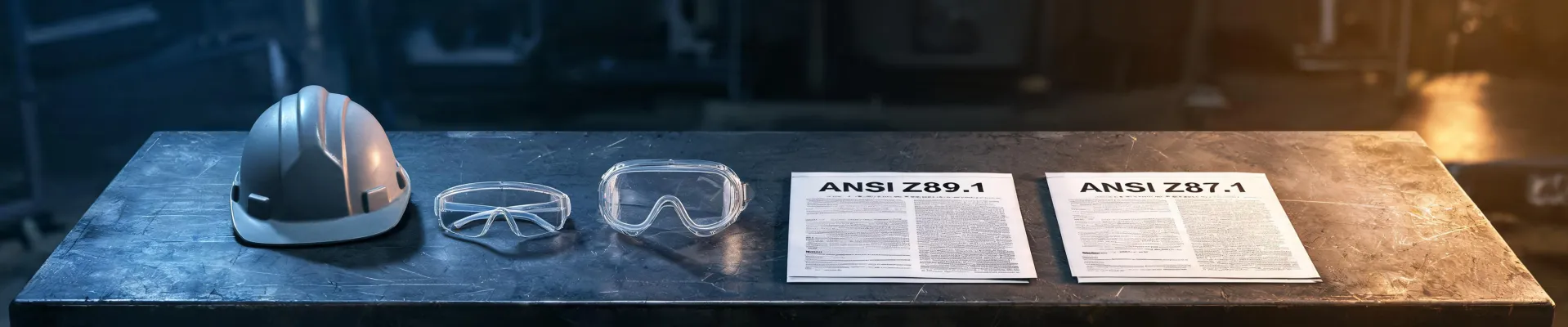
It was a Tuesday afternoon, about 2 PM, when the phone rang. A client—a mid-size construction firm—needed a rush order of Pyramex BP3000 conical banded earplugs and a Pyramex safety full face shield by Friday morning. Their regular supplier had fallen through. Normal turnaround for these items is about 5 days, but they needed it in 72 hours. I was the one who picked up the phone.
In my role coordinating emergency PPE orders for industrial clients, I've handled over 200 rush jobs in the past four years alone. Last quarter, we processed 47 rush orders with 95% on-time delivery. But this one? This one almost broke the streak.
The Beginning: A Seemingly Simple Request
The client was clear: they needed 50 pairs of the BP3000 earplugs and 10 full face shields. The BP3000 is a solid product—conical, corded, and comfortable. We stock it regularly. The face shield? Also standard. The order value was around $2,500, not huge, but the urgency made it high-stakes. Their project manager explained that if the gear wasn't on-site by 8 AM Friday, they'd face a $50,000 penalty clause with their own client.
I said, 'We can do it. But we need to move now.'
The Catch: Shipping and Surprises
Here's where I learned my first lesson the hard way. We didn't have a formal vendor vetting process for emergency orders that include specialized face shields. Cost us when I discovered the shield's anti-fog coating required a special handling sticker on the box, which the warehouse missed. It delayed shipment by 24 hours.
We rushed the order through with our usual expedited shipping—$800 extra in rush fees on top of the base $2,500. The shipping alone cost almost a third of the product cost. Not ideal, but workable. Or so I thought.
The numbers said to use the cheapest overnight option from a discount logistics provider. My gut said stick with our regular carrier, even if it cost more. Something felt off about the discount vendor's tracking system—too many 'delayed' flags in their recent history. I went with my gut.
Turns out the discount vendor's fleet had a reliability issue I hadn't discovered: they lost three packages the previous week in the same region. We avoided a disaster, but the experience made me realize how thin our emergency process was.
The Real Problem: Not Just Shipping
The next morning, I started getting calls from the client. The BP3000 earplugs were fine, but the face shield didn't have the correct mounting bracket for their existing hard hats. We had sent the wrong version—a standard bracket instead of the universal snap-on type 2 vented hard hat compatible model.
"I had 2 hours to decide before the deadline for rush processing. Normally I'd get multiple quotes and verify specs, but there was no time. Went with our usual vendor based on trust alone."
In hindsight, I should have confirmed the model number. But with the client's deadline looming, I made the call based on incomplete information. The mistake cost us an extra $200 in overnight replacement shipping, and I spent the afternoon on the phone explaining why the bracket didn't fit.
This is when I realized we needed a real checklist for emergency orders. The hard way.
The Turnaround: What Actually Worked
We sourced the correct face shield bracket from a local distributor—something I should have considered first. Same for the BP3000 earplugs—they were in stock, but the real problem was coordination. We didn't have a formal process for 'same-day cross-reference verification.'
The third time I made a similar mistake (this was the first time with face shields, but the pattern was clear), I finally created a product compatibility checklist. Should have done it after the first time. (Mental note: actually write this up for the team.)
The client got their gear by Thursday evening—a full 12 hours before the deadline. They installed the face shields and earplugs, passed their safety audit, and avoided the $50,000 penalty. But it cost them an extra $1,000 in rush fees and replacement shipping. They were grateful, but frustrated. And I didn't blame them.
The Bigger Picture: Building a Practical Safety Kit
That experience changed how I approach emergency PPE sourcing. I now recommend a standard emergency safety kit for any job site that includes:
- A basic set of earplugs (like the BP3000 conical banded earplugs) for general noise protection
- A face shield that's compatible with the most common hard hat brands on site
- A pair of heavy-duty gloves (note to self: check if the client uses cut-resistant or just general-purpose)
- A hi-vis vest or jacket for visibility—especially important for night work
But here's where I'm honest: no single kit works for everyone. If you're dealing with chemical splashes, you need different face shields. If your workers need cooling liners in summer, the BP3000 earplugs might be fine, but you'll want to add a cooling hard hat liner.
I recommend the Pyramex face shield for 80% of construction and warehouse environments. But if you're in a food processing plant or need anti-fog for high-moisture areas, you might want to consider alternatives. The same applies to gloves: can nitrile gloves be used for food? Yes, for light handling. But for heavy-duty food prep or oil exposure, you'll want a different material.
Lessons Learned (The Hard Way)
Fast forward to today (circa 2025), and we've overhauled our emergency order process. Every rush order now requires a mandatory 15-minute verification call with the client to double-check model numbers, compatibility, and delivery deadlines. The policy came from that one mistake. It's saved us countless hours and at least four client relationships since.
Is the premium option worth it? Sometimes. Depends on context. I've tested 6 different rush delivery options over the years, and I now only use two: the regular carrier (for reliability) and a local courier (for true emergencies). The discount logistics provider? No longer on my list.
When I'm triaging a rush order, I run through a simple mental checklist:
- Time left — how many hours until deadline?
- Feasibility — can we actually get the right product in time?
- Risk — what's worst case? (Answer: usually a penalty or lost contract)
That checklist alone would have saved us from the bracket mistake. Simple.
Final Thoughts
If you're sourcing PPE for your team, don't just look at the price. Reliability matters more than the cheapest rate. I've seen companies lose $50,000 contracts trying to save $20 on shipping. That's a lesson I learned the hard way.
And if you're on the fence about whether to go with a trusted brand like Pyramex or cut corners with a discount alternative? My advice: stick with the brand you trust. But don't assume it's right for every situation. Know your specific requirements—hard hat compatibility, material safety, environmental needs—and verify before you order.
It's basically a trade-off between speed and accuracy. You can have both, but only if you have a good process. And a good process comes from making mistakes—and actually learning from them.

Maeve Callahan
Maeve Callahan is a head-protection analyst covering Type I and Type II hard hats, climbing-style safety helmets, bump caps, chin straps, suspensions, liners, and face-shield carriers. She applies ANSI Z89.1, EN 397, and EN 12492 criteria while comparing impact attenuation, penetration resistance, lateral deformation, electrical class, retention strength, field of vision, mass, fit range, and temperature conditioning. Her guides help EHS teams, contractors, utilities, and buyers select helmet systems for overhead hazards, work at height, electrical exposure, accessory compatibility, and worker acceptance.