-
Why the 'Best' Hard Hat Depends on Where You're Standing
- Scenario A: The Outdoor Crew (Construction, Road Work, Solar)
- Scenario B: The Indoor / Low-Risk Facility (Warehouse, Assembly, Light Manufacturing)
- Scenario C: The High-Risk / Industrial Site (Chemical Plants, Foundries, Electrical Utilities)
-
Decision Guide: How to Know Which Scenario You're In
-
Final Thought
Why the 'Best' Hard Hat Depends on Where You're Standing
If you search for "best hard hat," you'll get a hundred different answers. Some say go full-brim for sun protection. Others swear by vented models. A few insist on Type 2 for lateral impact.
Everything I'd read about hard hats said the choice is straightforward: pick one that fits and meets OSHA.
In practice, I've found it's not that simple. I've seen a crew swap out their standard caps for a cheaper model to save $3 a unit—only to deal with constant complaints about heat buildup and poor fit. The $200 savings on the order turned into two days of lost productivity.
The conventional wisdom is that any ANSI-rated hat is fine. My experience with about 150 different job site evaluations suggests otherwise. The right choice is a decision tree, not a single answer.
Here's how to figure out which branch you're on.
Scenario A: The Outdoor Crew (Construction, Road Work, Solar)
If your team spends more than 4 hours a day outside, direct sunlight changes the game.
What matters most
- Sun protection for the neck and ears. A full-brim hard hat (like the Pyramex Ridgeline or traditional full brims) blocks UV better than a standard cap.
- Weight and ventilation. A heavy, non-vented hat in 90°F heat will get taken off. It's a safety hazard. Look for models with cooling liner options or side ventilation.
- Accessory slots. Your crew probably wears earmuffs, a face shield, or a chin strap. Make sure mounting slots are compatible.
What I'd pick
I'd lean toward a Type 1 full-brim with a cooling liner—around $18-25 per unit (based on major distributor quotes, early 2025; verify current pricing). It's a balance of sun coverage and weight. Don't go for the no-name $8 cap. I did that once during a rush order for a solar farm project. The hats arrived with brittle plastic that cracked under a drop test. Worse than expected.
“In March 2024, I had 36 hours to source 200 hard hats for a road crew that had their shipment delayed. Normal turnaround for custom logos is 2 weeks. We found a vendor with plain-stock full-brims, paid $4 extra per hat in rush fees (on top of the $18 base cost), and delivered on time. The client's alternative was sending 40 guys to work without head protection.”
Scenario B: The Indoor / Low-Risk Facility (Warehouse, Assembly, Light Manufacturing)
Your biggest risks aren't falling objects from 20 feet. It's more about bumping into overhead pipes, racking, or conveyor systems.
What matters most
- Low profile. A bump cap or a low-profile hard hat reduces the chance of hitting low clearance.
- Light weight. Workers wear them for 8-10 hours. A 14-ounce hat is noticeably more comfortable than an 18-ounce one.
- Compatibility with other PPE. Your workers also wear safety glasses (like Pyramex Itek) and hearing protection. Make sure the hat doesn't interfere with the temple arms of the glasses.
What I'd pick
For a warehouse, I actually wouldn't always go for the hardest hat. I'd consider a Type 2 low-profile cap (like the Pyramex Vented Cap). It provides lateral impact protection for side bumps, but sits lower than a standard cap. Around $15-20 per unit.
I assumed 'Type 2' was always better than 'Type 1'. Didn't fully consider that for a purely indoor environment, the added weight and bulk might cause workers to skip wearing it. That was a lesson learned the hard way when a facility manager told me their compliance rate dropped from 95% to 70% after switching to heavier Type 2 models. We switched back to a lighter version, and compliance went up.
Scenario C: The High-Risk / Industrial Site (Chemical Plants, Foundries, Electrical Utilities)
You face falling tools, molten splash, or electrical hazards. This is where you don't compromise.
What matters most
- Type 2 certification. Lateral impact protection is non-negotiable.
- Heat and chemical resistance. Some plastics degrade under high heat or chemical exposure. Request materials specs from the manufacturer.
- Dielectric rating. If there's any chance of electrical contact, you need a non-conductive hat (no vents, no metal parts).
What I'd pick
Go with a Type 2, non-vented, full-brim hard hat with a dielectric rating. Pyramex offers a full-brim Type 2, but check that it's unvented for electrical work. Expect $25-35 per unit.
After 5 years of managing PPE procurement for industrial clients, I've come to believe that the 'best' vendor is highly context-dependent. For a chemical plant, the most expensive option is usually the cheapest in the long run because of the reduced injury risk. But for a warehouse? The mid-tier option often delivers better compliance and comfort.
Decision Guide: How to Know Which Scenario You're In
Still unsure? Here's a quick litmus test.
- If your crew frequently complains about heat or leaves their hats in the truck: You're closer to Scenario A (outdoor). Prioritize ventilation and weight.
- If you rarely see head bumps but compliance is low, and the hats look pristine after a year: You're likely Scenario B (indoor). Go low-profile and lighter.
- If you have any risk of overhead tools, chemical splashes, or electrical contact, even occasionally: You're Scenario C. Don't cut corners.
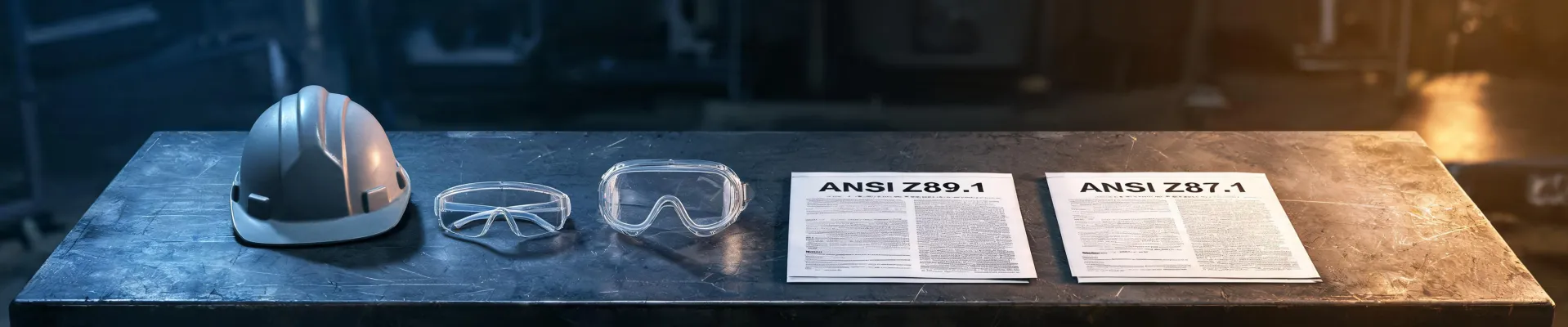
One more thing: don't assume 'same specifications' means identical results across vendors. I learned that after ordering three different Type 2 hats that all met Z87 and ANSI Z89.1. Two of them worked fine. The third had such a tight fit the crew refused to wear it. Material composition and internal geometry vary significantly. Ask for samples first.
Final Thought
When I switched from a generic supplier to a brand that offered better accessory compatibility and worker comfort—like Pyramex for hard hats—the feedback from the crew improved noticeably. The $3-5 difference per hat translated to better compliance and fewer complaints. It's not about the label. It's about what keeps the gear on people's heads.
Prices as of early 2025; verify current rates with your distributor.

Maeve Callahan
Maeve Callahan is a head-protection analyst covering Type I and Type II hard hats, climbing-style safety helmets, bump caps, chin straps, suspensions, liners, and face-shield carriers. She applies ANSI Z89.1, EN 397, and EN 12492 criteria while comparing impact attenuation, penetration resistance, lateral deformation, electrical class, retention strength, field of vision, mass, fit range, and temperature conditioning. Her guides help EHS teams, contractors, utilities, and buyers select helmet systems for overhead hazards, work at height, electrical exposure, accessory compatibility, and worker acceptance.