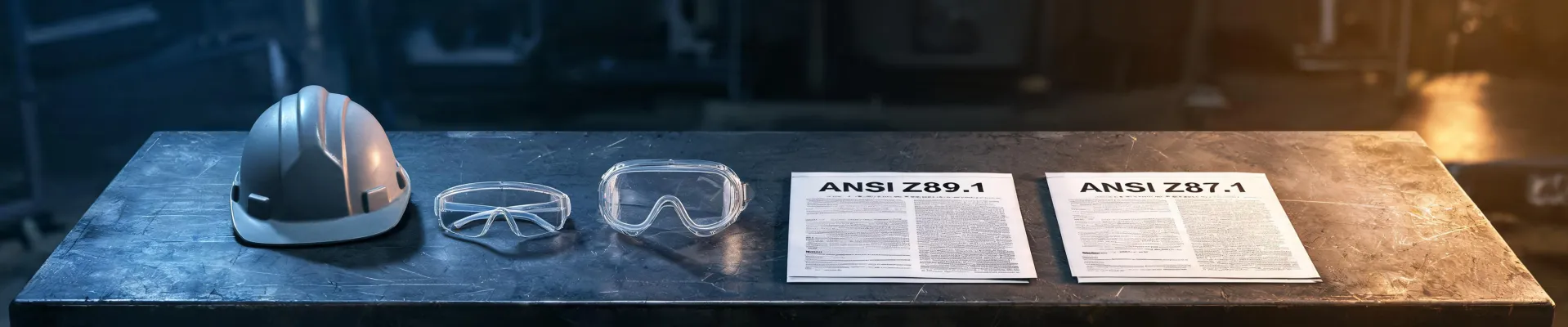
The 'Great Deal' That Wasn't
When I took over purchasing for our company in 2021, I had one directive from my boss: cut costs. So I did what any diligent admin would do—I hunted down the lowest per-unit price on everything. Hard hats? Got a quote for $3.50 less per unit than our usual supplier. Kevlar gloves? Found a 'closeout' deal. Felt pretty good about myself, honestly.
That feeling lasted about six weeks.
"That $700 savings turned into a $2,400 problem when the cheap hard hat suspensions started cracking after two weeks of normal use."
Here's what I've learned managing PPE procurement for a 150-person crew across two locations: the cheapest price is almost always the most expensive option in the long run. And I've got the receipts—both literally and figuratively—to prove it.
Why 'Budget' PPE Became My Biggest Headache
1. The Suspension That Gave Up
About 100 units into that hard hat order, the complaints started. "The suspension keeps loosening," "The ratchet feels flimsy," "This thing wobbles." I figured it was user error—until I tried one myself. The cheap Pyramex hard hat suspension knock-off we'd bought felt nothing like the genuine Ridgeline system our guys were used to.
Three weeks later, half the order had been replaced with the real thing. The 'savings'? Gone. Plus, I had to pay for rush shipping on the replacement order because we were running low. Net result: I spent $450 more than I would have if I'd just bought the right product from the start.
When I compared the two side by side on my desk, it was obvious. The cheap suspension used thinner plastic, the ratchet mechanism had less teeth (meaning less adjustment points), and the nylon straps were noticeably lighter. Looks the same in a catalog. Feels completely different on your head for 8 hours.
2. The 'Kevlar' Gloves That Weren't
This one still stings. We found a supplier offering kevlar gloves at about 60% of our normal cost. The spec sheet looked fine. The sample looked fine. So I placed a bulk order for our warehouse team.
First day of use: three pairs torn within the first shift. By the end of the week, I'd heard words I cannot repeat here directed at me personally. The gloves weren't actually Kevlar—or at least, not the weight and weave we needed for handling sharp metal parts.
The vendor? Offered a partial refund, but by then I'd already ordered our usual brand (Pyramex, naturally) at 2-day expedited shipping. Total loss on that experiment: about $800 between the wasted order, shipping costs, and the rush fees.
Here's the thing—I knew I should have verified the spec sheet. I thought 'what are the odds?' Well, the odds caught up with me. A lesson learned the hard way.
3. The Hidden Cost of 'Cheap'
This is the one I see admin buyers miss the most. They look at the per-unit price. They don't look at:
- Failure rate: If 10% of your cheap gloves fail in a week, you're buying more. That adds up.
- Compliance risk: Cutting corners on hard hats rated for less than ANSI Z87 or Type 2 is not a gamble you want to explain to an auditor—or a lawyer.
- Morale cost: When your gear is uncomfortable or fails, the crew notices. They remember who ordered it.
- My time: Processing returns, managing complaints, reordering. That's hours I could have spent on literally anything else.
I started tracking this after the glove disaster. On paper, I was saving about $1,200 a year on PPE by switching vendors. In actual, out-of-pocket costs, I was spending about $2,000 more when you added up failures, replacements, and rush orders. I was losing $800 annually and making my job harder. Not exactly the hero move I'd imagined.
What Changed My Mind (And My Approach)
Three things shifted my thinking:
First, I started looking at total cost per unit over a year, not per shipment. A $15 hard hat that lasts 18 months is cheaper than a $10 one that needs replacing every 6 months. The math isn't complicated—it just requires looking past the initial invoice. For example, a genuine Pyramex Ridgeline hard hat might cost more upfront, but its suspension system is designed to last, it's Type 2 rated, and workers actually want to wear it. That last one matters more than you think.
Second, I built better relationships with fewer vendors. Instead of chasing the lowest quote for every item, I consolidated. My Pyramex rep knows my needs now. When I need to order 200 pairs of gloves or 50 hard hats, I get consistent pricing and, more importantly, consistent quality. No more having to verify spec sheets for every single order. That alone saves me about 3 hours a month.
Third, I stopped treating my internal customers like they're being picky. When a warehouse worker says the gloves don't fit right or the hard hat suspension is uncomfortable, they're not complaining—they're giving me data. Listen to that data. It's cheaper than a failed safety audit or a compensation claim.
Sure, you could argue that sometimes you get lucky with a budget buy. I've had that happen too. But I'd rather rely on a system that works 90% of the time than gamble on a 10% chance of a great deal. My job is about consistency, not gambling.
The Bottom Line
I still care about budget. I have to. But my definition of 'saving money' has changed completely. It's not about the lowest price on the spreadsheet—it's about the lowest cost of ownership by the time the gear has been worn, used, and replaced. And that means buying quality from the start.
For me, that means sticking with brands I trust, like Pyramex for head-to-toe protection. Not because they're perfect, but because they're predictable. And in the PPE world, predictable is worth paying for.
Take it from someone who ate a $2,400 mistake in a single quarter: the cheapest option is a trap. Don't fall for it.

Maeve Callahan
Maeve Callahan is a head-protection analyst covering Type I and Type II hard hats, climbing-style safety helmets, bump caps, chin straps, suspensions, liners, and face-shield carriers. She applies ANSI Z89.1, EN 397, and EN 12492 criteria while comparing impact attenuation, penetration resistance, lateral deformation, electrical class, retention strength, field of vision, mass, fit range, and temperature conditioning. Her guides help EHS teams, contractors, utilities, and buyers select helmet systems for overhead hazards, work at height, electrical exposure, accessory compatibility, and worker acceptance.